
Fuel subsidy removal
N3.36T saved annuallyHis inauguration-day announcement ended the long-running subsidy regime and freed up fiscal space for the federal government.
Achievements
This page focuses on the major milestones associated with Tinubu's political career: the Lagos governorship years, coalition building that helped reshape national politics, and the policy shifts of his presidency since 2023.
The images here are real photos tied to his public life and international engagements, so the page reads more like a record of visible moments than a generic summary.
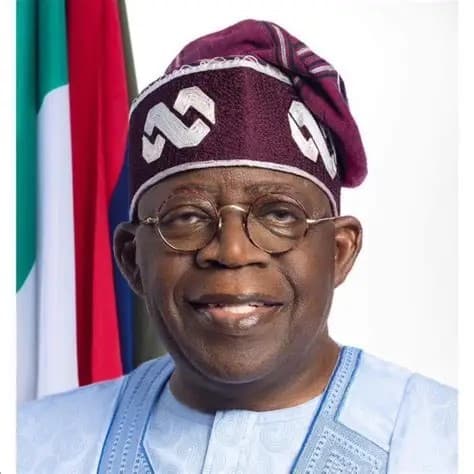
Economic Reforms
Tinubu's presidency has been defined by fuel subsidy removal, exchange-rate reform, CBN restructuring, and tax modernisation.
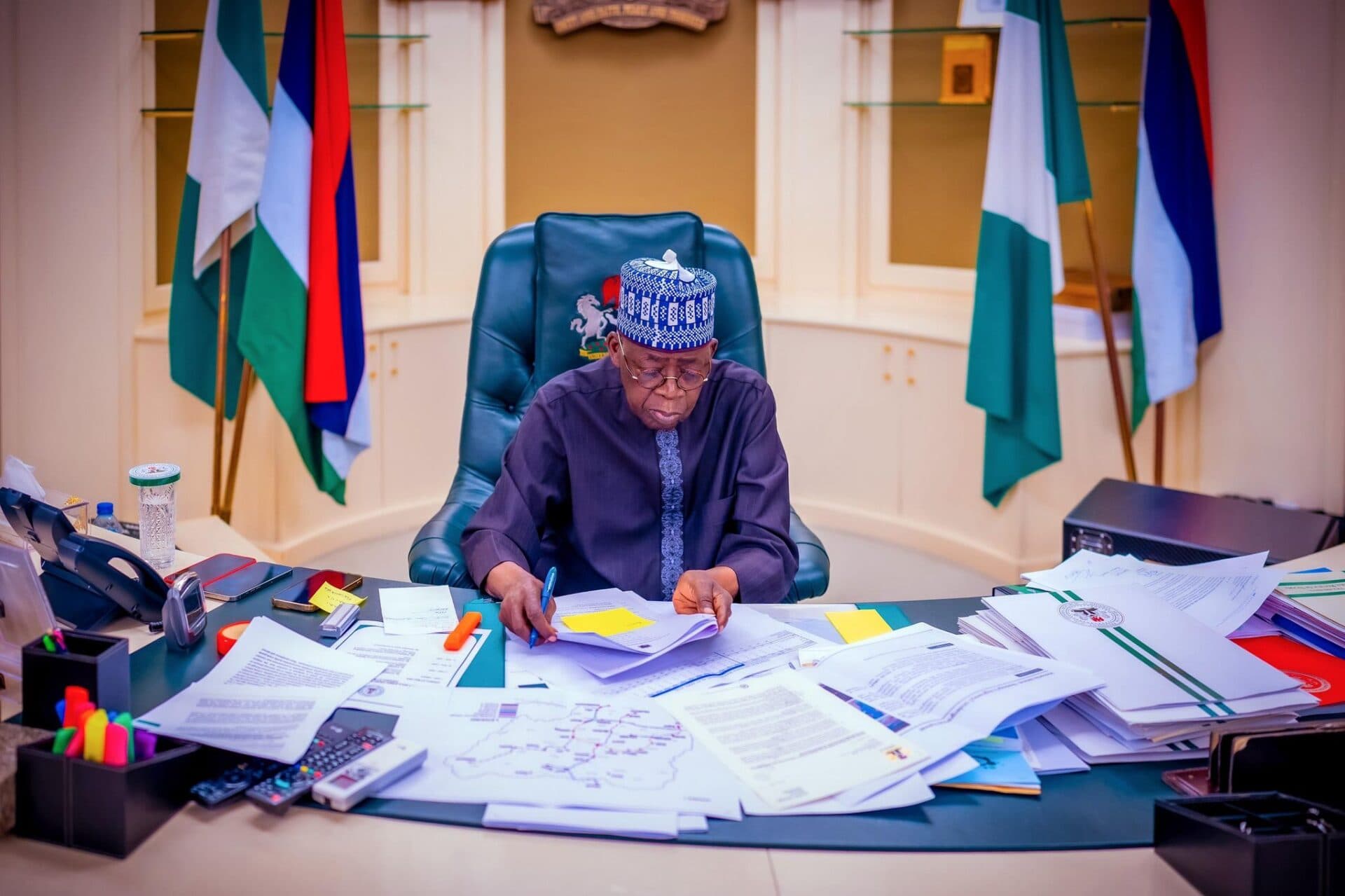
His inauguration-day announcement ended the long-running subsidy regime and freed up fiscal space for the federal government.
The exchange-rate system was consolidated to improve transparency, investor confidence, and market predictability.
The apex bank leadership and policy direction were overhauled in a bid to restore discipline to monetary policy.
Infrastructure Development
The administration's infrastructure agenda includes roads, ports, rail, power, and urban planning across the country.
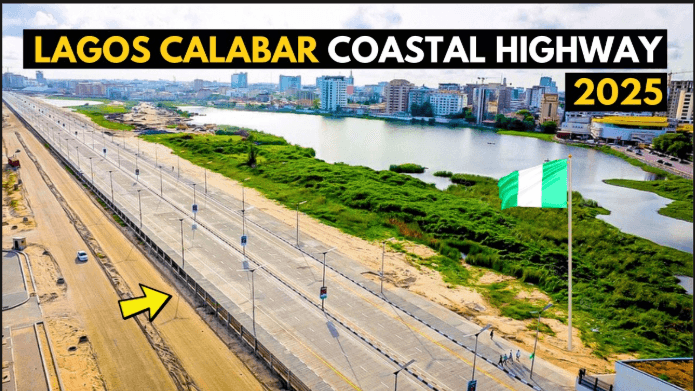
Work began on the coastal highway to link southern commercial zones and open up a major economic corridor.
The port began commercial operations in 2023 and is improving Nigeria's logistics capacity for imports and exports.
Rehabilitation work accelerated on one of the country's most important northbound transport routes.
Education & Youth
Tinubu's education and youth policy footprint includes student financing, expanded tertiary capacity, and school support.
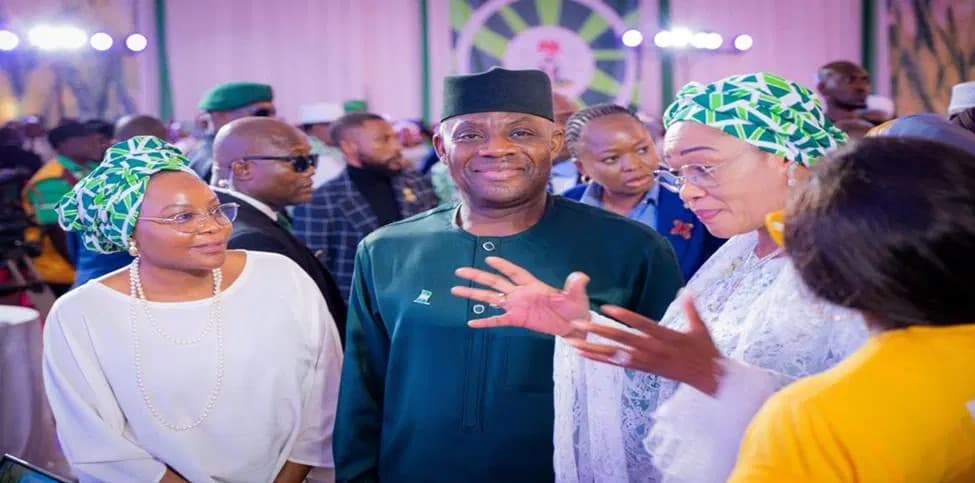
The law created a national education loan fund to improve access to tertiary education for low-income families.
The first rounds of student loan disbursements marked the move from policy announcement to direct support.
New institutional approvals helped absorb Nigeria's large annual student demand.
Social Policy & Welfare
The presidency has also focused on housing, health coverage, grain reserves, and other social cushioning measures.
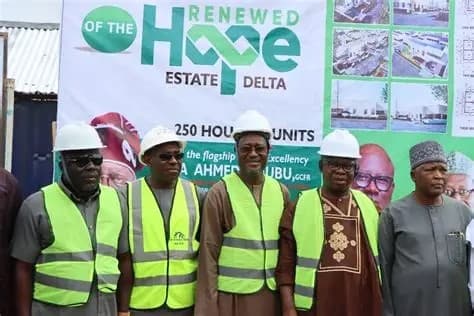
The housing programme aims to expand access across Nigeria's six geopolitical zones.
A temporary transport stipend was introduced to cushion the impact of subsidy removal on low-income Nigerians.
The NHIA agenda is pushing toward much broader coverage for formal and informal workers.
Foreign Policy & Diplomacy
Tinubu's diplomacy has emphasized ECOWAS leadership, investor outreach, and stronger bilateral engagement.
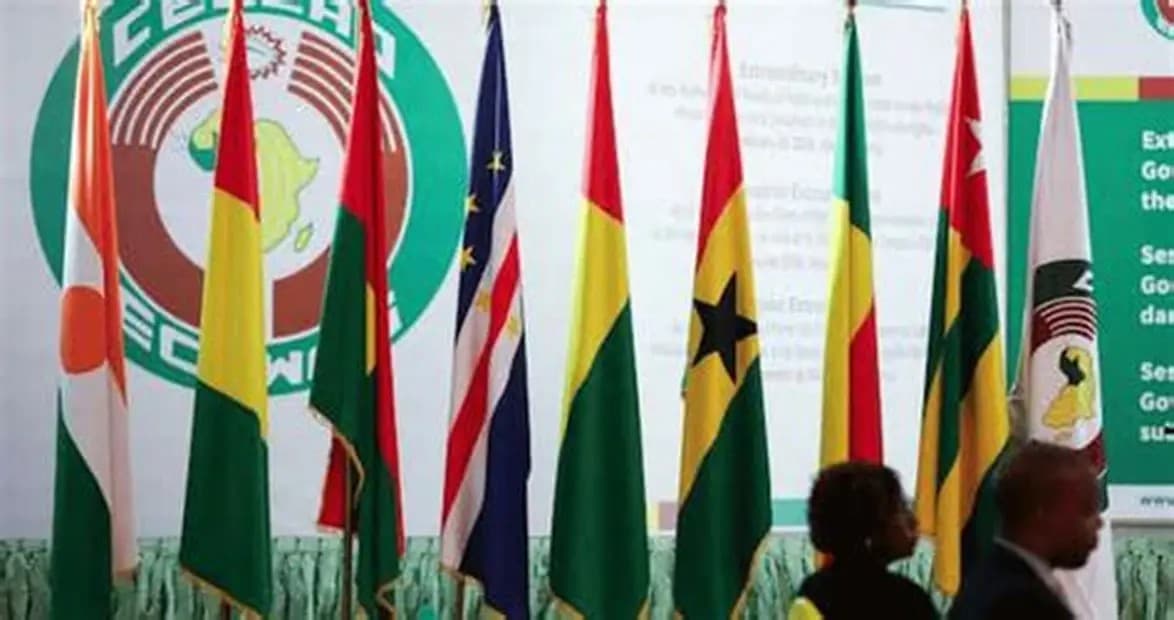
Nigeria took a firmer regional posture during the Niger crisis, underscoring the administration's assertiveness.
Summit diplomacy has been used to present Nigeria as a more confident investment destination.
High-level meetings helped refresh Nigeria's relationships with major partners across the Atlantic.
Technology & Digital Economy
The digital agenda has focused on startup support, broadband expansion, and the modernization of government systems.
Startup policy has been pushed forward with tax incentives, regulatory sandboxes, and procurement access.
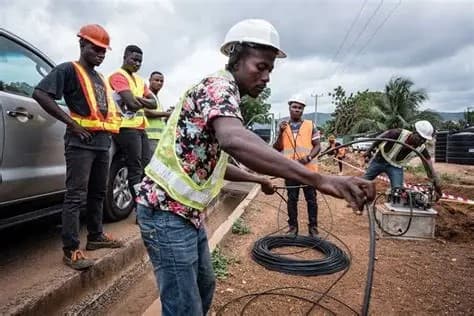
State-level barriers to fibre deployment were reduced to speed up digital infrastructure expansion.
Treasury, financial management, and identity systems were pushed further into digital channels.
Lagos Legacy
Tinubu's Lagos tenure remains the foundation of the political story that later carried him to national office.
His administration expanded Lagos internally generated revenue and built the fiscal base for later reforms.
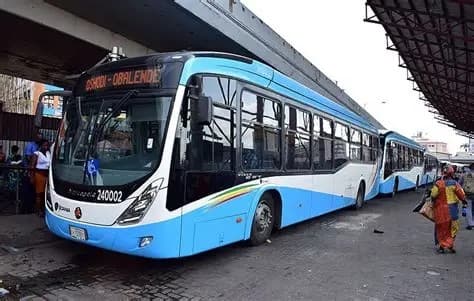
The Lagos Bus Rapid Transit project changed commuting patterns and became a model for urban transport.
He helped engineer the political merger that created the APC and reshaped Nigeria's opposition landscape.
What the record shows
From Lagos revenue reforms and municipal upgrades to the APC merger and the current reform agenda, the achievements associated with Tinubu are best understood as a long political arc rather than one isolated event.